Daosium

Table of Contents

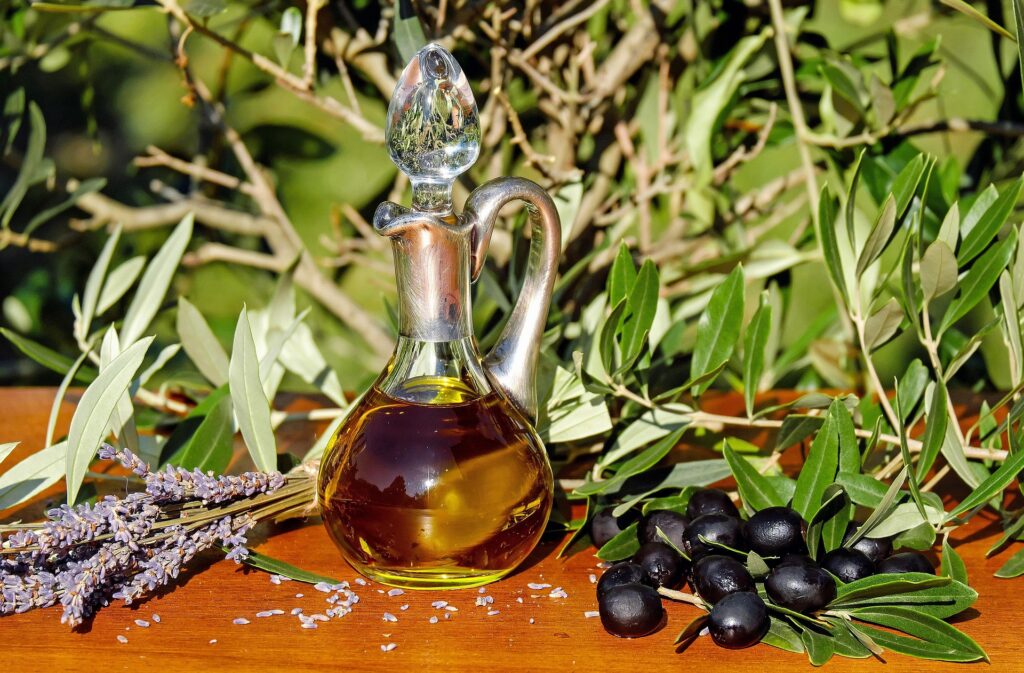
Glass cruet filled with extra virgin olive oil surrounded by black olives and olive branches

Olive oil polyphenols explained: why Greek olive oils stand out

Olive oil polyphenols have become a key reference when evaluating olive oil quality.

However, numbers alone often create confusion.

This article explains what polyphenols are, how they are measured, and why Greek olive oils consistently reach high concentrations.

The goal is simple.

Provide clear knowledge based on facts, not marketing claims.

What are polyphenols in olive oil?

Polyphenols are natural antioxidant compounds found in olives.

They belong to a broader family of plant-based molecules produced as a defense mechanism.

In olive oil, polyphenols influence:

  • bitterness

  • pungency

  • oxidative stability

This explains why high-polyphenol olive oils often taste more intense.

Bitterness and peppery notes are indicators of phenolic presence, not defects.

How polyphenol content is measured (mg/kg)

Polyphenol content is expressed in milligrams per kilogram (mg/kg).

This value represents the total concentration of phenolic compounds in the oil.

Measurement requires laboratory analysis.

Producers rely on a Certificate of Analysis (COA) to confirm values.

Several factors influence results:

  • olive variety

  • harvest timing

  • processing speed

  • storage conditions

Therefore, polyphenol content can vary from one harvest to another, even for the same oil.

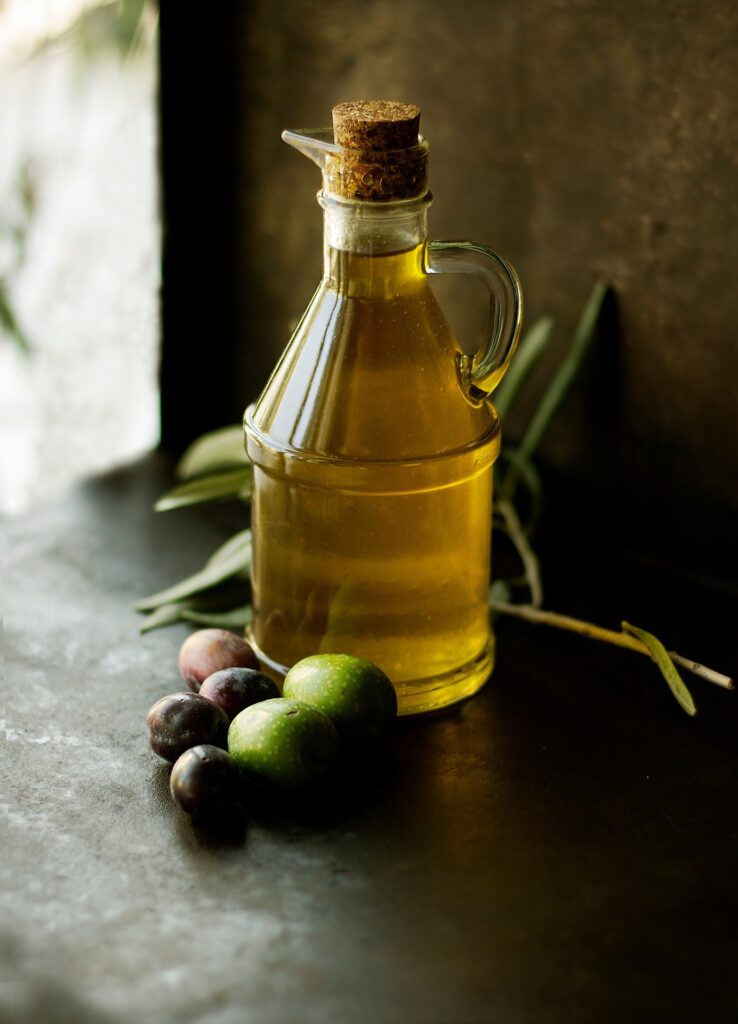
Glass bottle filled with extra virgin olive oil with green and black olives beside it.

Polyphenol levels: what counts as “high”?

Not all olive oils contain the same phenolic concentration.

Understanding reference ranges helps interpret numbers correctly.

Typical benchmarks:

  • Below 250 mg/kg → low

  • 250–500 mg/kg → moderate

  • 500–800 mg/kg → high

  • Above 800 mg/kg → very high to exceptional

Many commercial extra virgin olive oils remain below 300 mg/kg.

Reaching higher levels requires specific production choices.

Greek olive oils and polyphenols: a clear focus

Greece offers ideal conditions for producing polyphenol-rich olive oils.

Several elements work together.

Local olive varieties naturally contain high phenolic potential.

Early harvest practices preserve sensitive compounds.

Rapid cold extraction limits oxidation.

Producers increasingly focus on precision and freshness.

As a result, Greek olive oils frequently exceed high-polyphenol thresholds.

Greek olive oils with high polyphenol content

Efrakto

  • Country: Greece

  • Polyphenol content: 800–1000 mg/kg

  • Classification: High concentration

Kavalaria

  • Country: Greece

  • Polyphenol content: 800–1000 mg/kg

  • Classification: High concentration

Pathos

  • Country: Greece

  • Polyphenol content: 800–1000 mg/kg

  • Classification: High concentration

Skoutari

  • Country: Greece

  • Polyphenol content: > 1000 mg/kg

  • Classification: Exceptional concentration

These values illustrate consistent positioning above standard market averages.

They also highlight the impact of harvest and production strategy.

Why Greek olive oils consistently reach higher levels

Several technical factors explain this consistency.

Olive varieties

Greek cultivars, such as Koroneiki, naturally support higher phenolic synthesis.

Harvest timing

Early harvesting captures olives before phenolic degradation begins.

Processing speed

Short delays between harvest and milling preserve sensitive compounds.

Producer know-how

Controlled temperatures and oxygen exposure limit phenolic loss.

Together, these elements create measurable results.

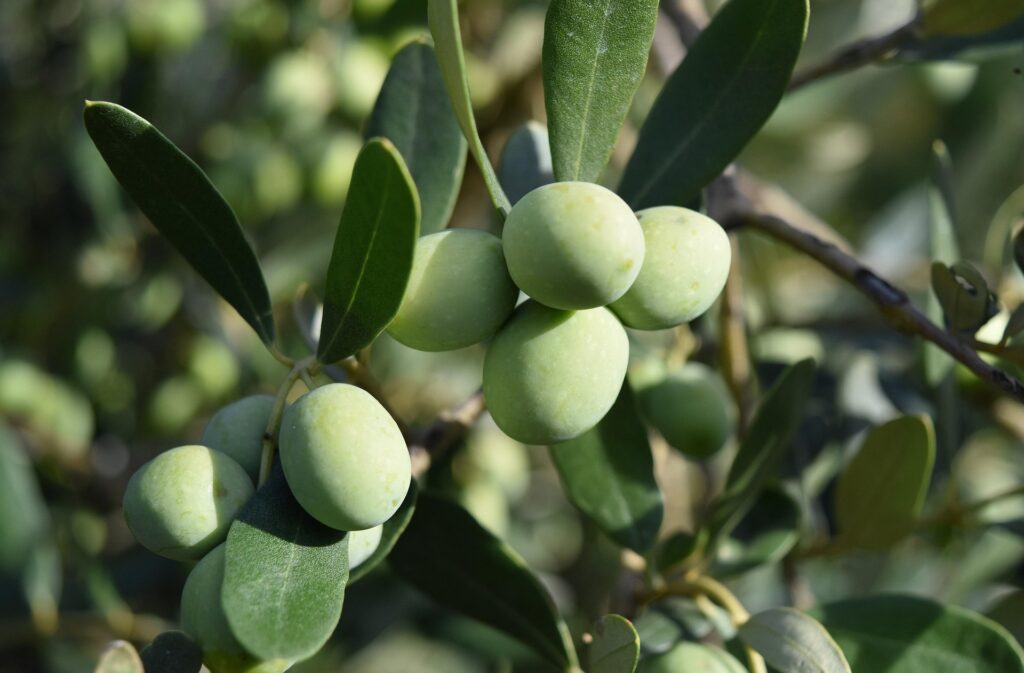
Green olives growing on an olive tree branch with fresh olive leaves.

What polyphenol content does (and does not) tell you

Polyphenol numbers provide valuable insight.

However, they do not describe the full quality profile alone.

Polyphenol content helps compare:

  • antioxidant potential

  • production approach

  • harvest strategy

It does not guarantee:

  • flavor balance

  • freshness over time

  • proper storage after bottling

Context always matters.

Numbers should be read alongside harvest date, storage conditions, and sensory profile.

From knowledge to health: what comes next

Understanding polyphenols is the first step.

Their role in the body requires a separate discussion.

Future articles will explore how olive oil polyphenols interact with:

  • oxidative stress

  • inflammation

  • cardiovascular mechanisms

Those topics belong to the Health category.

Polyphenols define an essential dimension of olive oil quality.

They reflect variety, harvest timing, and production precision.

Greek olive oils stand out through consistently high concentrations.

Understanding these values allows informed comparison and better choices.

Knowledge comes first.

Health follows.

Share